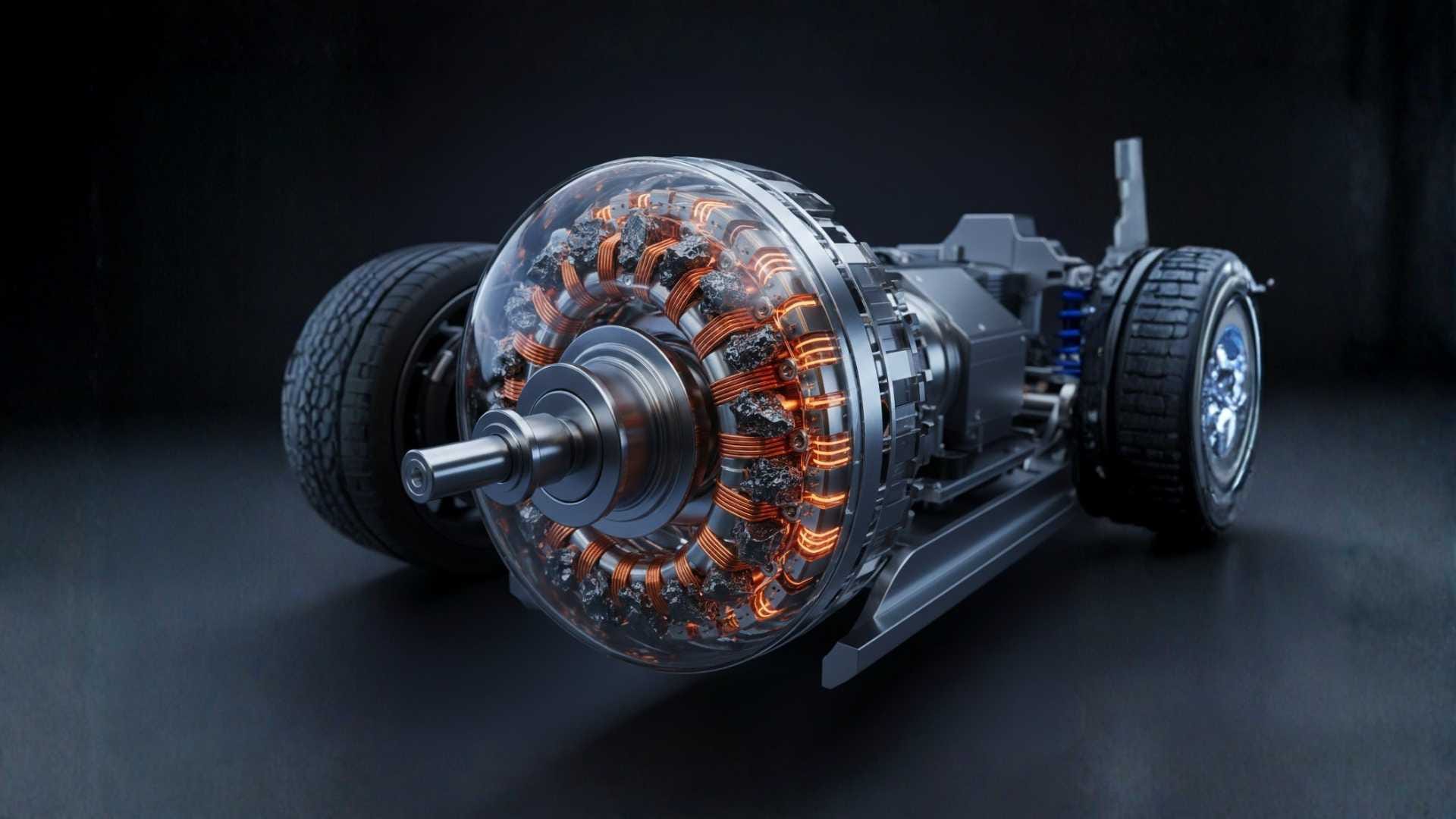
Electric vehicles are often discussed in terms of batteries, charging infrastructure, and driving range. But beneath this visible transformation lies a far more critical challenge — one that could significantly shape the future of electric mobility worldwide.
That challenge is rare earth metals.
As EV adoption accelerates globally, the conversation is slowly shifting from just electrification to the sustainability of supply chains. And at the center of this discussion is how electric motors are built — and what materials they depend on.
The Invisible Backbone of Electric Vehicles
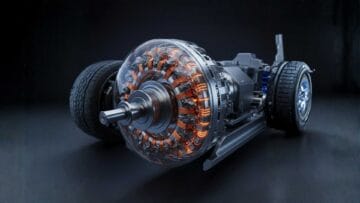
Electric motors are the heart of every EV. To deliver high torque, smooth acceleration, and compact motor size, most electric vehicles today rely on rare earth magnets.
These materials help motors achieve:
High torque at low speeds
Compact and lightweight motor design
Improved energy efficiency
Better thermal stability
Because of these advantages, rare earth materials became the industry standard in EV motor design.
However, their growing importance has also created a major long-term vulnerability.
Why Rare Earth Metals Are a Growing Concern
Despite their name, rare earth elements are not extremely rare in nature — but they are difficult, expensive, and environmentally intensive to process.
More importantly, global processing and refining of these materials remains highly concentrated in limited regions, creating dependence that exposes EV manufacturing to:
Geopolitical uncertainty
Supply-chain disruptions
Price volatility
Import dependency
As electric vehicles move from early adoption to mass-scale production, this dependency becomes not just a commercial issue — but a strategic one.
The Strategic Risk for Electric Mobility
For countries aiming to build strong domestic EV ecosystems, reliance on imported rare earth materials presents long-term risks:
Manufacturing stability becomes uncertain
Production costs fluctuate unpredictably
Scaling volumes becomes constrained
Energy and mobility independence weakens
As electric mobility becomes central to national sustainability goals, such vulnerabilities can no longer be overlooked.
This has triggered a global rethink on how EV motors should be engineered for the future.
Rethinking Motor Technology: The Shift Toward Non HRE Metals
One of the most promising directions in electric vehicle engineering is the transition toward non HRE metals in motor design.
Heavy Rare Earth (HRE) elements — commonly used in traditional permanent magnet motors — are among the most supply-constrained and geopolitically sensitive materials.
Reducing or eliminating dependence on heavy rare earths allows manufacturers to build:
More resilient supply chains
Predictable long-term cost structures
Scalable manufacturing systems
Sustainable EV ecosystems
This shift is not simply about replacing materials — it represents a fundamental evolution in how electric motors are designed.
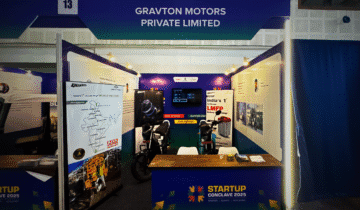
How Gravton Motors Is Addressing the Rare Earth Challenge
At Gravton Motors, rare earth dependency was identified early as a critical long-term risk in EV manufacturing.
Rather than relying solely on conventional HRE-based motor technologies, Gravton has focused on developing electric bikes and powertrain solutions that reduce dependence on heavy rare earth materials, while maintaining performance, durability, and reliability.
This approach is built around:
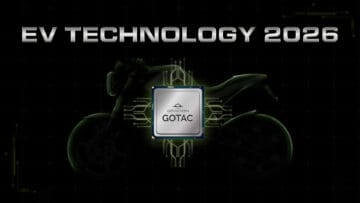
Non HRE motor architecture
Optimized magnetic design
Advanced motor control systems
Collaboration with specialized technology partners
Through this engineering-led strategy, Gravton Motors has been able to overcome one of the EV industry’s most pressing supply-chain challenges — without compromising riding performance or efficiency.
By integrating non HRE metals into motor development, the company strengthens both technological independence and long-term sustainability.
Leadership Perspective from Gravton Motors
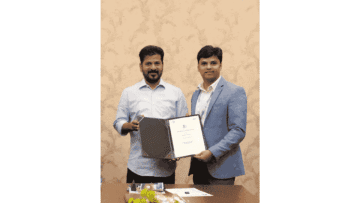
During a recent industry interaction, Gravton Motors’ leadership emphasized that electric mobility cannot rely on fragile global dependencies.
While electrification is essential for environmental progress, true sustainability requires self-reliant engineering.
Motor technology — not just batteries — must evolve to ensure that electric vehicles remain affordable, scalable, and resilient over decades.
Addressing heavy rare earth dependency today is a crucial step toward building India’s long-term electric mobility future.
Why This Matters for India’s EV Future
India’s EV Technologies extends far beyond replacing petrol vehicles.
It is about building a globally competitive manufacturing ecosystem that is:
Scalable
Cost-stable
Innovation-driven
Strategically independent
Reducing dependency on rare earth imports directly supports:
Make in India initiatives
Domestic manufacturing resilience
Long-term affordability for consumers
Sustainable industrial growth
Innovation in non HRE motor technologies therefore becomes a cornerstone of India’s EV roadmap.
Beyond Technology: Building Long-Term Sustainability
True sustainability in electric mobility goes beyond emissions reduction.
It includes:
Responsible material sourcing
Manufacturing independence
Predictable long-term operations
Engineering-first innovation
As EV adoption grows, manufacturers that invest early in foundational technologies — rather than short-term solutions — will define the next decade of mobility.
Looking Ahead
The future of electric vehicles will not be determined only by faster charging or longer range.
It will be shaped by:
How intelligently motors are engineered
How resilient supply chains become
How sustainably technology is scaled
As India accelerates toward an electric future, addressing challenges like rare earth dependency today will ensure that tomorrow’s mobility is not only clean — but truly self-reliant.
Gravton Motors continues to focus on purpose-built engineering, non HRE motor innovation, and long-term technology development, contributing meaningfully to India’s evolving electric mobility ecosystem.