Most people think electric bikes are just about batteries and charging, 2026 is about to prove them wrong.
For years, electric bikes were seen as “the alternative” — quieter, cleaner, but somehow less exciting than petrol machines. That perception is changing faster than most people realise.
By 2026, electric bikes won’t just compete with petrol bikes. They will outthink, outprotect, and outlast them.
What’s driving this shift isn’t louder motors or flashy designs — it’s deep technology, quietly redefining what riding means. Here are 7 EV technologies in 2026 that could make petrol bikes feel outdated.
1. Electric Motors That Learn How You Ride
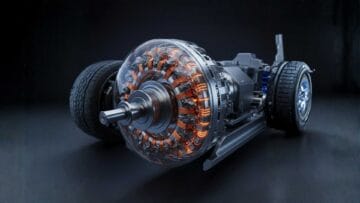
In 2026, electric motors won’t just deliver power — they’ll adapt it.
Modern EV motors are evolving into intelligent systems that respond to:
Rider behaviour
Load conditions
Terrain and inclines
Riding modes
Instead of a fixed “engine character,” the bike adjusts torque delivery in real time. Smooth in traffic. Aggressive when needed. Controlled on inclines.
Petrol bikes rely on mechanical response. EVs rely on intelligence.
“In the near future, bikes won’t feel fast or slow — they’ll feel exactly right.”
2. Battery Technology Is Shifting from “Big” to “Brilliant”
Range anxiety dominated early EV conversations. In 2026, the focus shifts to battery safety, stability, and predictability.
Next-generation electric bikes are being built around:
Safer battery chemistries
Better thermal management
Fire-resistant and leak-proof designs
Consistent performance across weather conditions
This isn’t about squeezing out a few extra kilometres — it’s about making batteries trustworthy, boring, and reliable.
“The safest battery may soon matter more than the longest range.
Modular battery architectures and Swappable ecosystems are also gaining relevance, especially in markets where downtime matters as much as range — signalling a future where charging is about flexibility, not waiting.”
3. Losing Your EV Bike Could Become Harder Than Losing Your Phone
Electric bikes are quietly becoming smarter than most people expect.
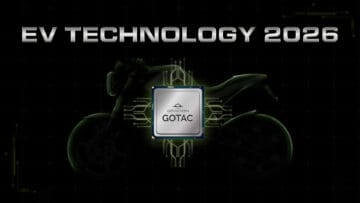
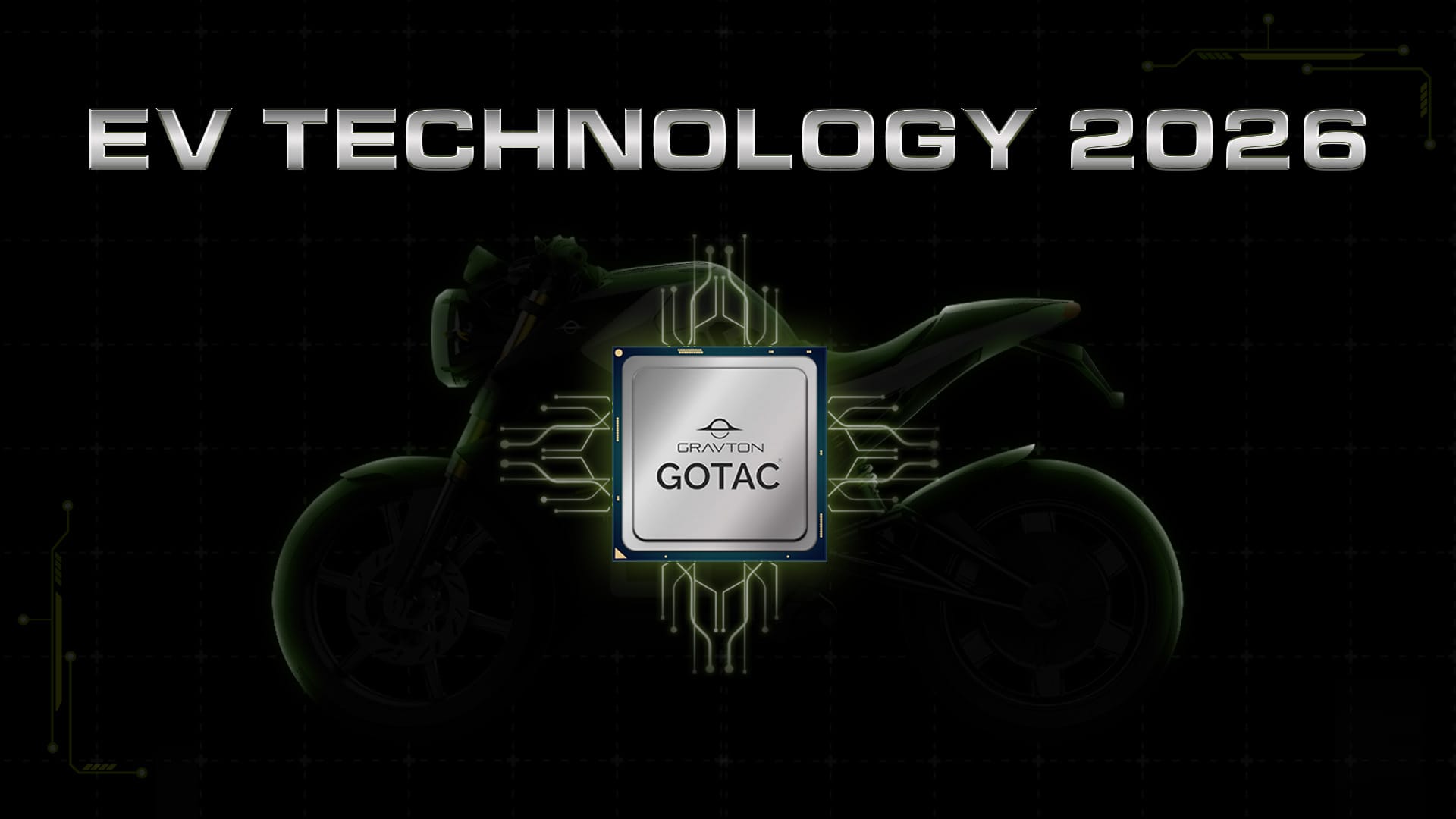
Some electric motorcycles already demonstrate this shift in real-world use. For example, Quanta Electric Bike has systems like GOTAC-enabled smart connectivity on electric bikes integrate features such as Find My Bike tracking, geo-fencing alerts, remote immobilization, and live location sharing — transforming security from a physical lock into a connected digital safeguard.
By 2026, connected EVs will commonly offer:
App-based vehicle monitoring
Live GPS tracking
Remote immobilization
Geo-fencing alerts
If a bike moves without permission, the owner knows instantly. If needed, the bike can be disabled remotely.
“Stealing an electric bike may soon be riskier than stealing a smartphone.”
4. Anti-Theft Tech That Changes What’s Worth Stealing
This is where EVs disrupt more than transportation — they disrupt behaviour.
Traditional bikes rely on locks. Electric bikes rely on systems.
Future EV anti-theft technology combines:
Location awareness
Motion alerts
Software-controlled access
Real-time owner notifications
When every movement is tracked and logged, opportunistic theft loses its appeal.
“In 2026, the smartest security feature may be invisibility — not noise.”
5. Electric Bikes Are Leaving the City and Heading for Extremes
Electric bikes were once considered urban commuters. That assumption is fading.
Purpose-engineered electric motorcycles like the Quanta electric bike have already proven this by handling long-distance rides, steep gradients, and varied terrains — showing that endurance is no longer exclusive to petrol machines.
New-generation EVs are being designed to handle:
Steep inclines
Rough roads
Long endurance rides
Heavy payloads
Strong chassis design, higher gradability, and better torque delivery are pushing electric bikes beyond city limits.
“If an electric bike can handle mountains, traffic is easy.”
6. Riders Are Shifting from “Price” to “Cost of Ownership”
The question riders ask is changing.
Instead of:
“What is the electric bike price?”
They’re asking:
“What does this bike cost me every month?”
This shift is important — because the real cost of ownership goes far beyond the showroom price.
Modern electric bikes are designed to reduce long-term expenses through:
Ultra-low operating cost per kilometre
Fewer moving parts compared to petrol bikes
Minimal routine maintenance
Zero fuel price volatility
When evaluated over months and years, an electric bike isn’t just affordable — it becomes predictable.
See the Real Difference in Monthly Running Cost
Electric bikes don’t just reduce emissions — they fundamentally change how much you spend every month.
Instead of estimating savings mentally, use the calculator below to see how fuel expenses compare against electric running costs based on your daily usage.
Calculate your Monthly Savings while using Quanta Electric 2 wheeler!
Calculate your Monthly Savings while using Quanta Electric 2 wheeler!
7. The Real Upgrade Isn’t Technology — It’s Peace of Mind
This is the quiet revolution.
Electric bikes bring:
Less mechanical wear
Fewer breakdowns
Software-driven diagnostics
Calm, predictable ownership
No clutch anxiety. No engine overheating. No fuel station stress.
“The future of riding isn’t louder or faster — it’s calmer, smarter, and more certain.”
Final Thought: Petrol Isn’t Ending — It’s Being Outgrown
The EV revolution isn’t arriving someday. It’s unfolding right now.
By 2026, many riders may look back and wonder how petrol bikes stayed relevant for so long.
The future of riding won’t smell like fuel, It’ll feel like intelligence on two wheels.