
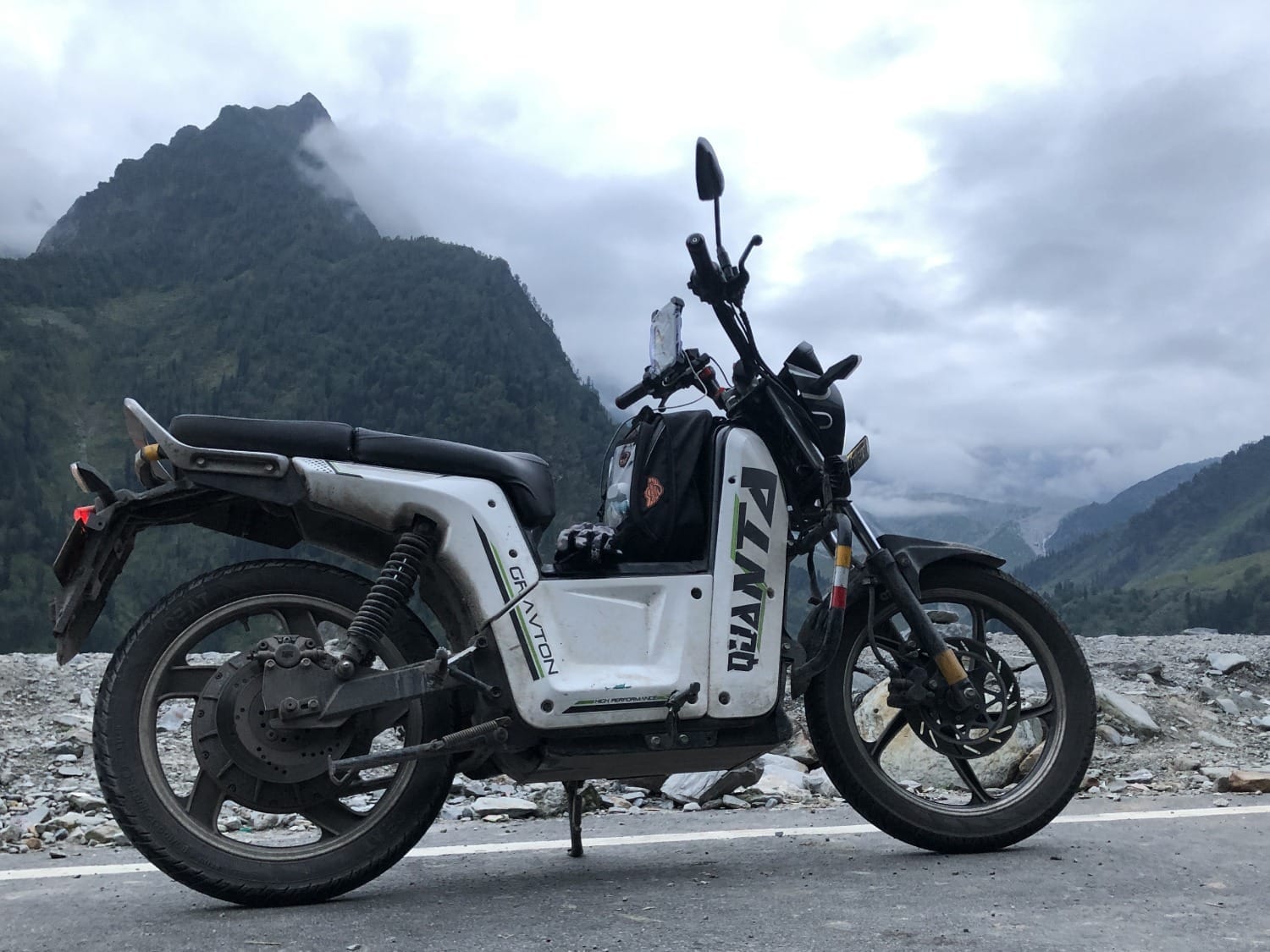
From a Dream to a Defining Journey
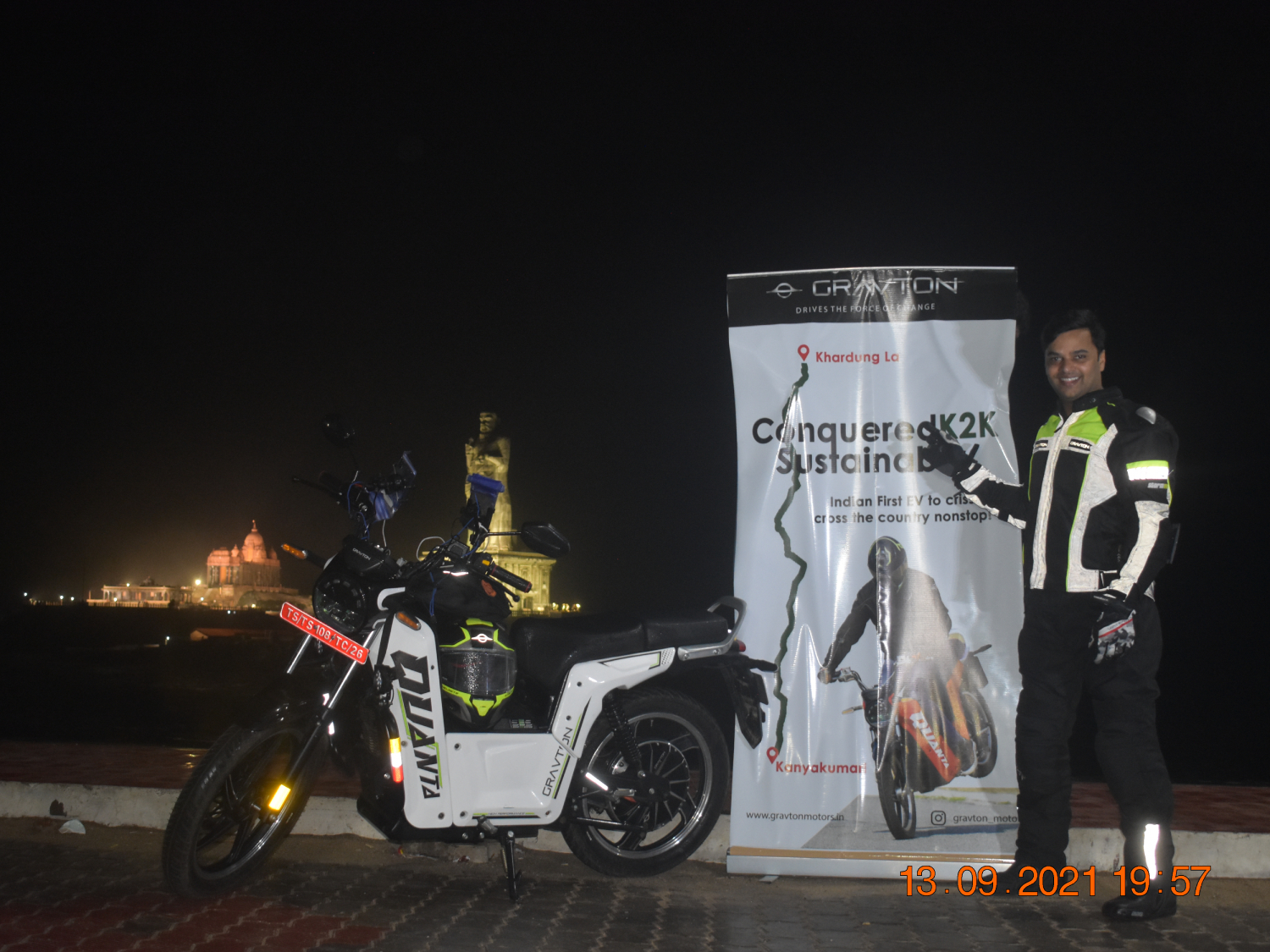
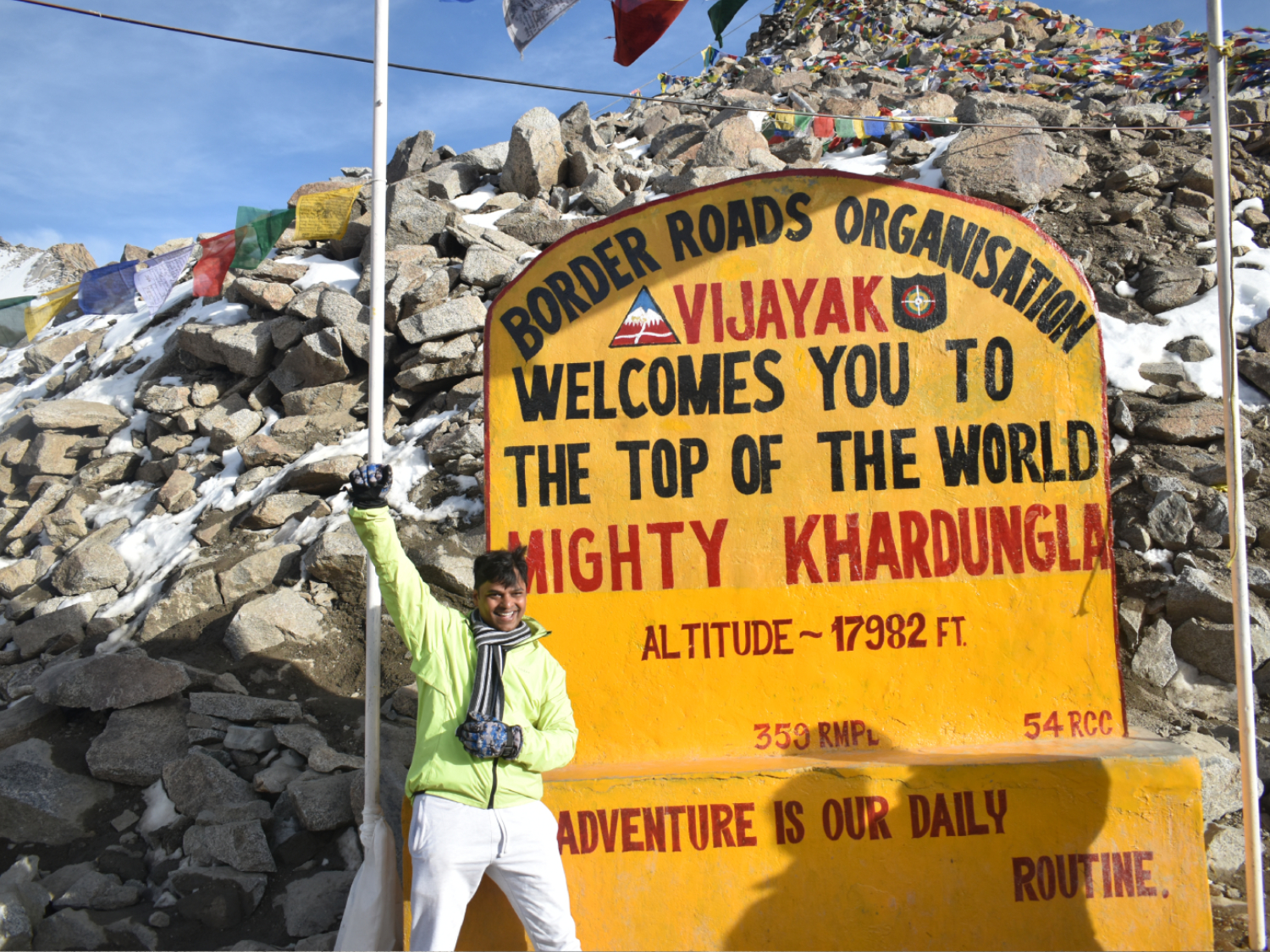
Five years ago, Gravton Motors redefined what was possible in electric mobility. When Quanta rode from Kanyakumari to Khardung La — the southern tip to the highest motorable pass — it wasn’t just a record; it was proof of Indian innovation, endurance, and determination. What started as an ambitious experiment has since become a landmark moment in India’s EV history, inspiring a new generation of riders, engineers, and believers.
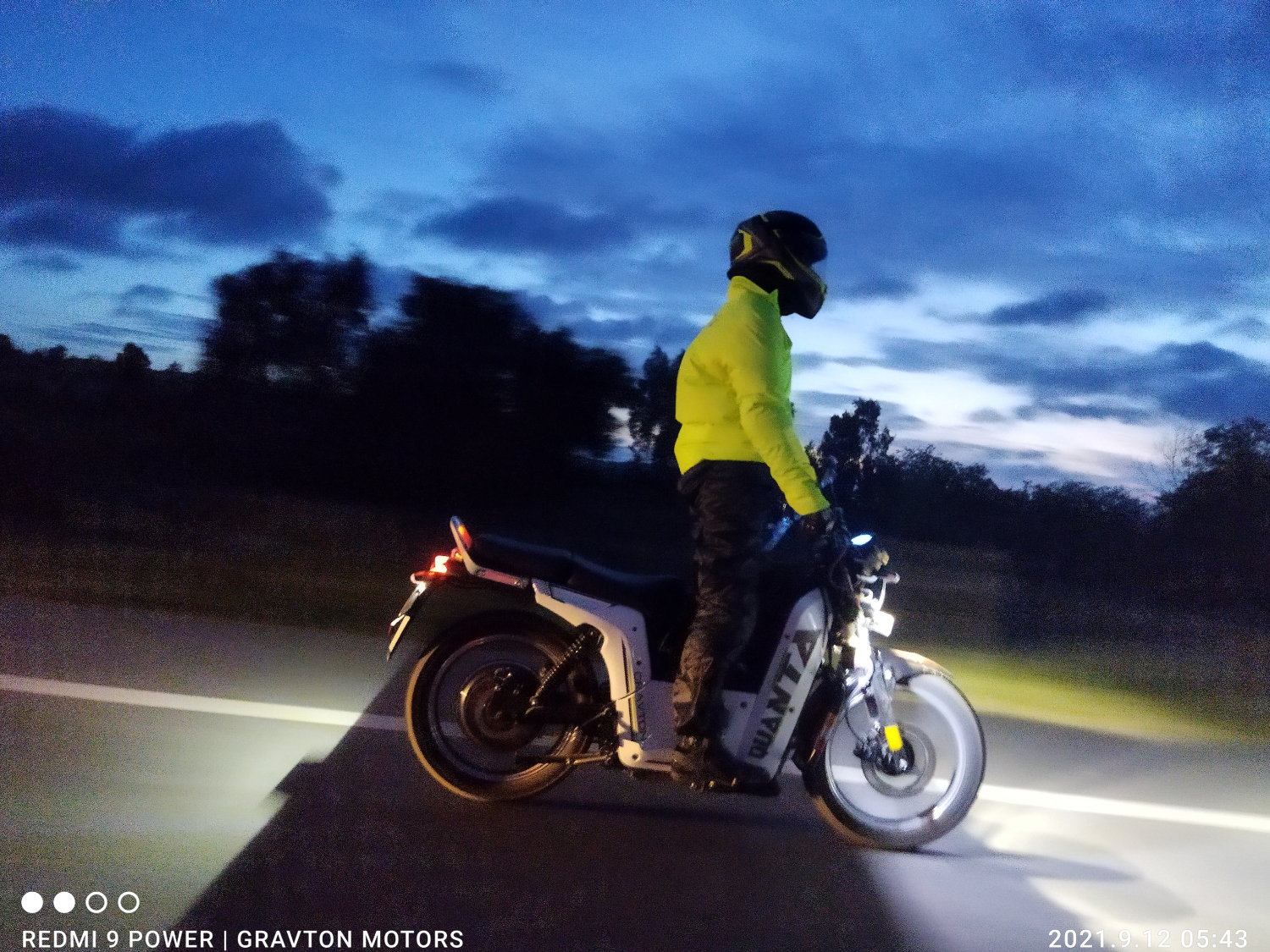
When Vision Met Purpose
The story of Gravton began much before the first prototype of Quanta took shape. For founder Parshuram Paka, the idea was born during a visit to his hometown near Karimnagar, where people traveled over 20 km just to buy petrol. That day, he realized mobility shouldn’t come with such hardship — and set out to create a bike that would bring freedom, affordability, and innovation to every Indian road. Together with Vasavi Mylaram, his classmate from MJCET and now Gravton’s Co-Founder and Director, the duo began shaping this dream while still in the U.S.

Built from an Apartment, Fueled by Belief
In a small apartment in the U.S., two engineers began building India’s electric future. Working late nights across time zones, they recruited a team of passionate young graduates from Hyderabad — the same team that would later become Gravton’s core. Before attempting an electric motorcycle, the team built an electric cycle — a small victory that sparked massive confidence. With savings and conviction, they returned to India, set up a small lab at RTC X Roads, and built the first Quanta prototype in 2019.
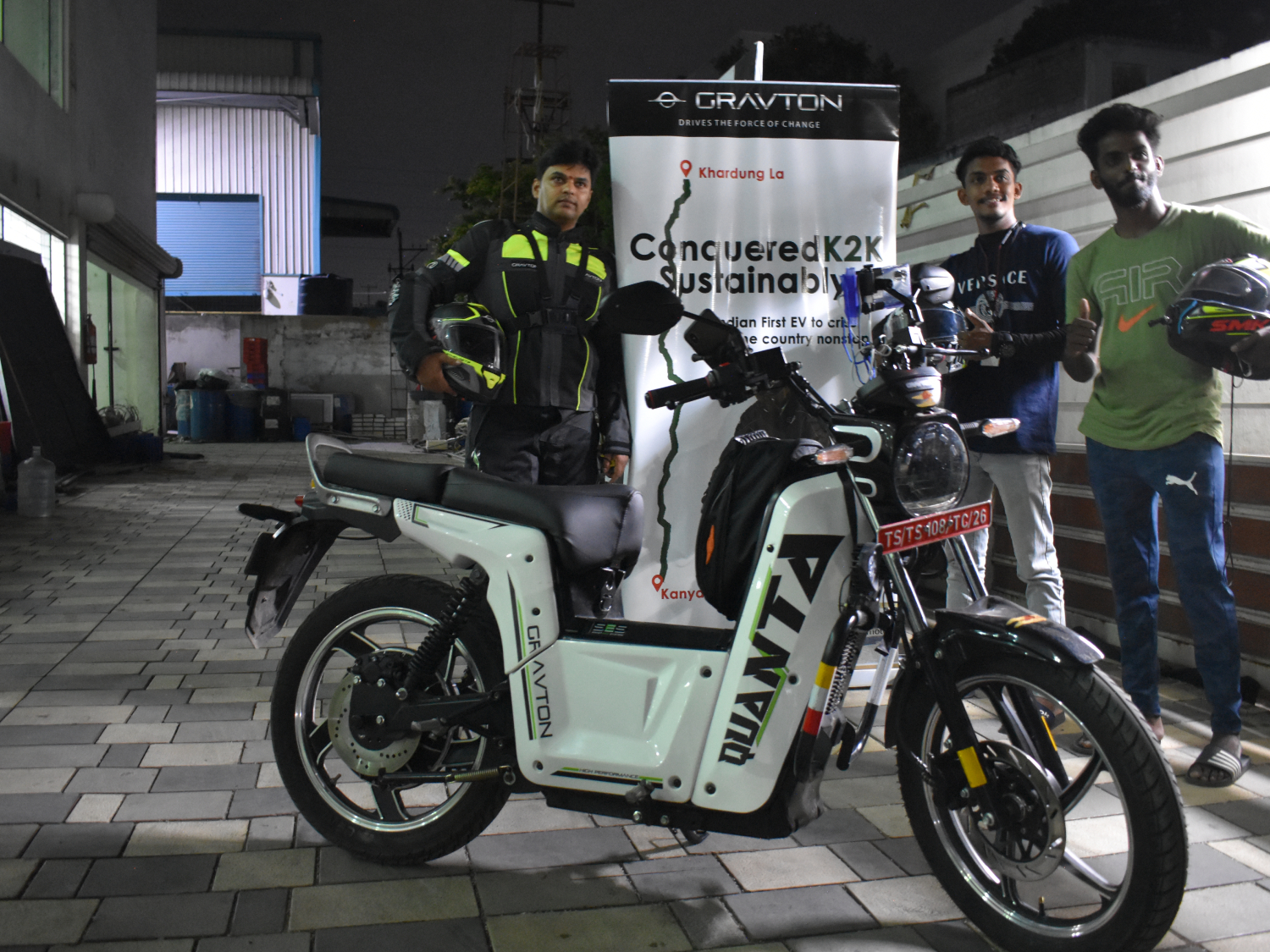
India’s Own High-Performance Electric Motorcycle
Quanta was designed from the ground up — not imported, not adapted. Every nut, bolt, and line of code was Indian-made. It was born to solve real-world mobility needs: long range, robust endurance, and performance that rivals petrol bikes. In an era before big EV names existed, Gravton was setting benchmarks. As Vasavi recalls : “There were no existing rules — we had to help BIS frame new certification norms. That’s how new this category was.”
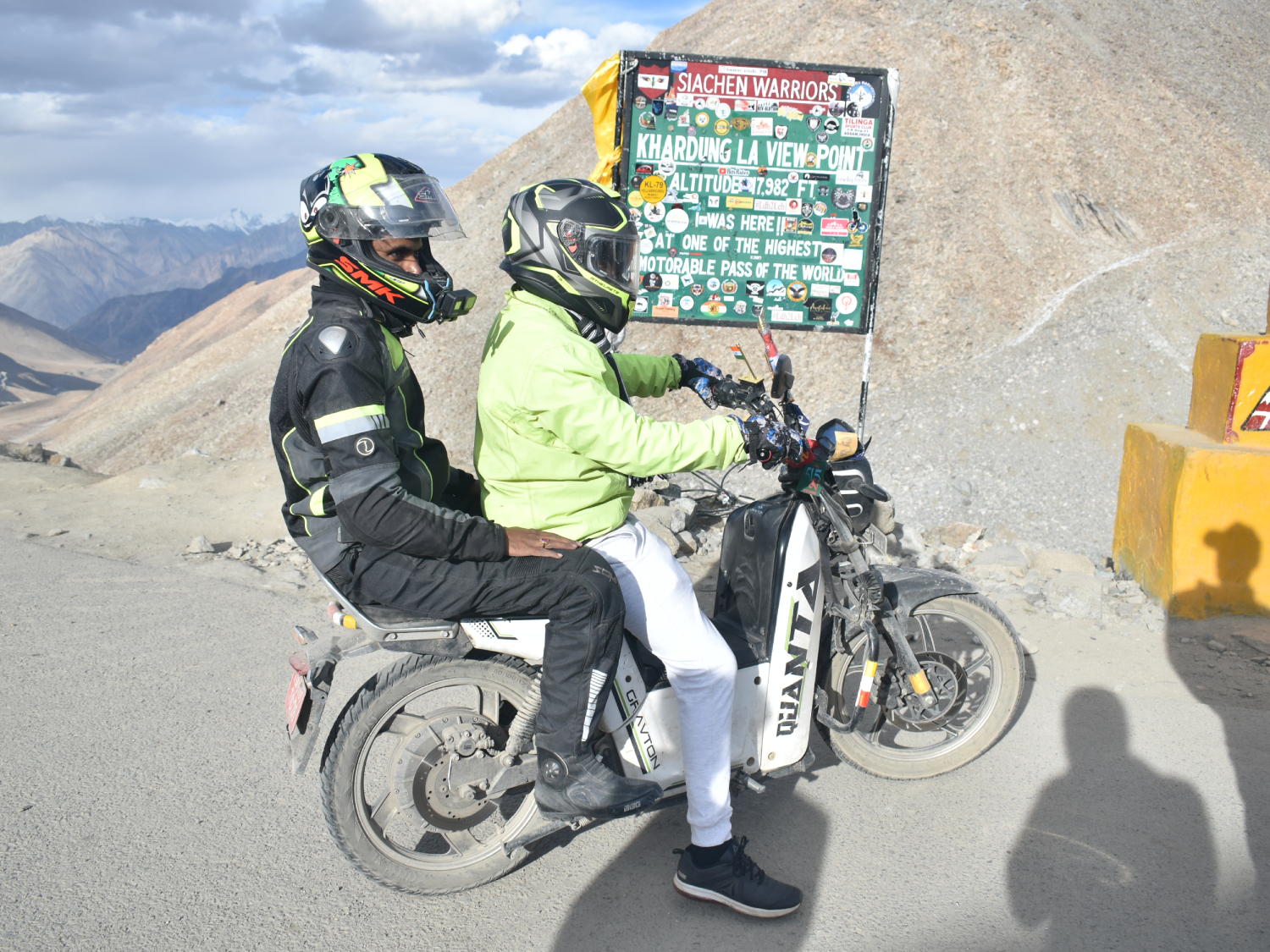
Drawing a Line Across India
During a brainstorming session in 2020, Parshuram picked up a marker and drew the map of India. That line — from Kanyakumari to Khardung La — would become the journey that proved Quanta’s endurance to the world. The team wanted more than a launch. They wanted a statement — to show what Gravton and Indian EV engineering could truly achieve.
A Pandemic, Skepticism, and a Plan Against All Odds
Then came COVID-19. The K2K expedition had to be shelved. But the vision didn’t fade. By the time lockdowns eased, Quanta was production-ready. Many advised against attempting such a ride — the terrain, the weather, and the distance were punishing even for fuel bikes. But a team of 20 — engineers, technicians, and riders — decided to make history anyway. They had a caravan for charging and maintenance, strict government limits on battery transport, and the will to endure.
Kanyakumari to Khardung La — 6.5 Days of Grit
Before K2K officially began, Parshuram rode from Hyderabad to Kanyakumari in 23 hours — setting a record even before the record. From there, the team started their ascent north. Every kilometer tested Quanta’s engineering and the team’s spirit. With VM monitoring vehicle health remotely through a custom-built app (the early version of GoTAC), Gravton was already pioneering smart telemetry.
Hi there! 👋
What would you like to do?
Connect directly with Gravton on WhatsApp