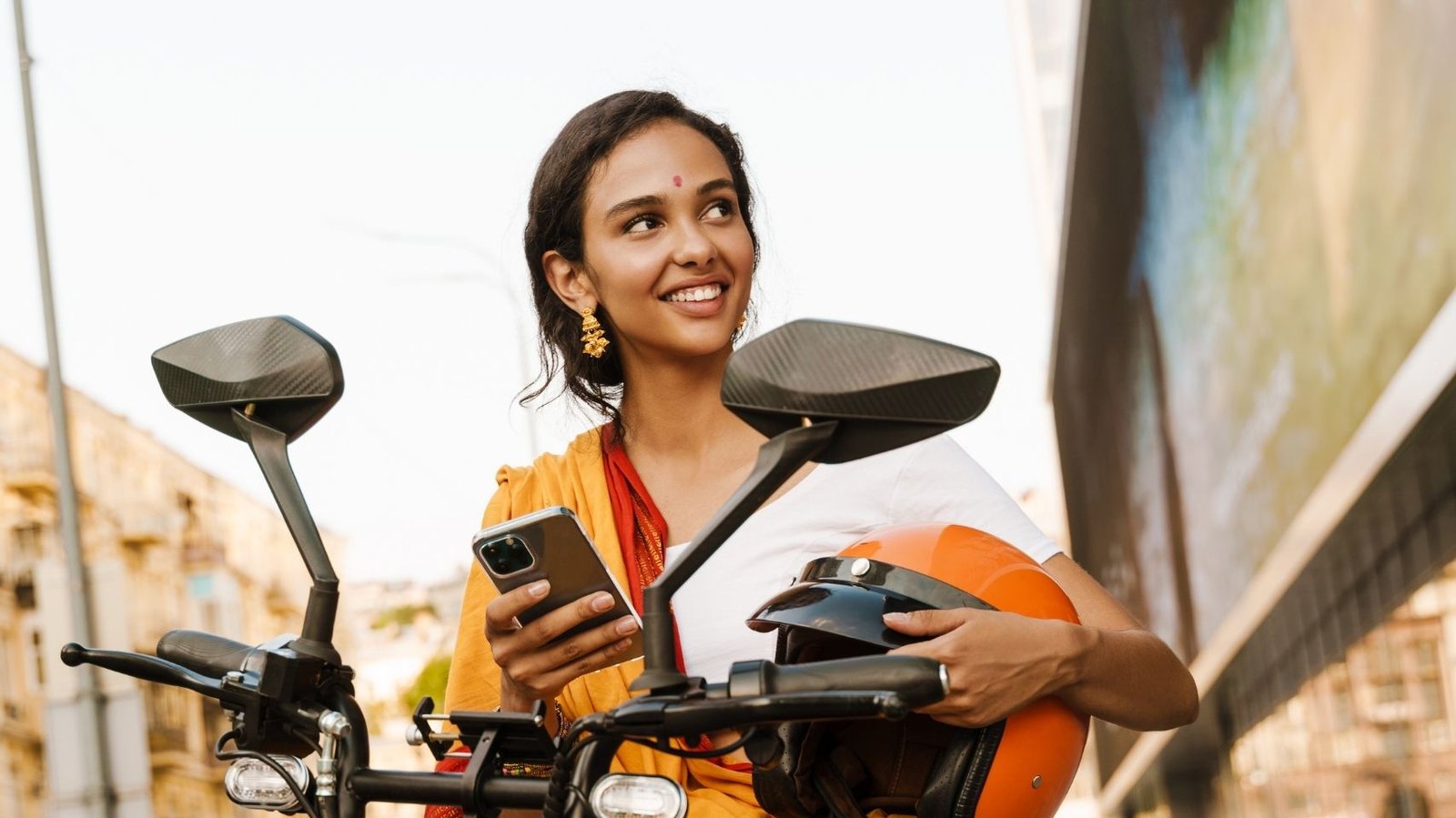
Choosing a helmet for women is not only about looks, and it is not only about size. It is about protection that actually fits your head, your hair and the way you ride. For women riding electric scooters and motorcycles, a few extra questions come up: does an electric vehicle need a different helmet, is it fine to spend less on a slow scooter, and how do you keep a helmet comfortable over thick or long hair?
This guide answers those questions without pointing you to any brand. It focuses on what to check, in what order, so you can choose a helmet for women that is safe first and stylish second.
7 things to check before you buy a helmet for women
- Certification. Look for the ISI mark, which shows the helmet meets the Indian standard for two-wheeler riders.
- Fit by head size, not hair volume. A helmet should be snug without pressure points.
- Coverage. A full-face or certified modular helmet protects the chin and face best.
- Hair and comfort. Plan your hairstyle, liner and ventilation before you choose.
- Visibility. A bright colour and reflective strips help others see you, which matters on quiet electric vehicles.
- Visor and ventilation. Clear vision and airflow keep you alert in Indian heat.
- Weight and strap. A secure strap and a manageable weight reduce neck strain on daily rides.
The golden rule: safety first. Style, colour and smart features come after certification and fit.

Do EV Riders Need a Different Helmet for Women?
No. Helmet safety standards are the same whether you ride an electric or a petrol vehicle, so the helmet you choose should meet the same certification and fit requirements. What changes is the riding experience, and a few of those differences are worth planning for.
- Electric vehicles are quiet. Pedestrians and other drivers hear you less, so visibility matters more. Choose a bright or light colour and reflective elements.
- You hear less engine noise but more of everything else. Good ventilation and a well-sealed visor reduce wind noise, which helps you stay aware of traffic.
- Acceleration is smooth and immediate. A secure chin strap and a properly fitted helmet stay put under quick starts.
- No engine heat, but the same sun. Airflow and light colours still matter in summer.
Helmet for Women on Low-Speed Electric Scooters: Should You Spend Less?
It is tempting to assume that a slow scooter needs only a basic helmet. The safer approach is to separate price from protection. A lower price is fine if the helmet is certified and fits well. A helmet with no certification is not a bargain at any price.
The chart shows that energy rises quickly with speed, but it also shows that even at 25 km/h there is energy to protect against. A head hitting the road from riding height can cause serious injury at low speed.
| Spend on | Save on |
|---|---|
| Certification (ISI mark) | Extra graphics and brand premium |
| Fit for your head size | Smart features you will not use |
| Coverage of chin and face | Multiple helmets bought only for colour |
| Ventilation and a clear visor | Costly custom work |
Rules for the lowest-speed category of electric scooters can differ and may change. Check current requirements, and wear a certified helmet regardless.

Choosing a Helmet for Women: Full-Face, Modular or Open-Face
| Type | Protection | Good for | Watch out for |
|---|---|---|---|
| Full-face | Highest. Covers head, chin and face | Motorcycles, highways and everyday scooter riding | Warmer in summer, so check ventilation |
| Modular (flip-up) | High when closed | Riders who want easy on and off, or wear glasses | Make sure it is certified and kept locked while riding |
| Open-face | Moderate. Leaves the chin exposed | Short, slow city trips if certified | Less protection for the jaw and face |
| Half-shell | Minimum | Rarely recommended | Limited coverage of the sides and back of the head |
If you ride a motorcycle, or any electric scooter at higher speeds or on highways, a full-face helmet for women is the best choice. For a helmet for women riders who commute short distances, a certified full-face or modular helmet is still the safer option.

How to Choose a Helmet for Women With Thick, Long or Curly Hair
Hair volume is the most common reason women choose the wrong size. The rule is simple: size the helmet to your head, then adapt your hair to the helmet.
- Measure your head. Wrap a soft tape around your head about one finger above your eyebrows and ears. Use the manufacturer’s size chart, not your usual hat size.
- Try it on with your riding hairstyle. A low braid or low ponytail sits comfortably under the helmet. Avoid high buns, clips and hard accessories under the shell.
- Use a thin liner if needed. A breathable cotton or satin-lined cap reduces friction and tangles for curly hair and keeps sweat off the padding.
- Check for pressure points. Wear the helmet for ten minutes. A headache or sore spot means the size or shape is wrong.
- Never add padding to loosen it. A helmet that fits only with extra padding is the wrong helmet.
- Choose removable, washable padding, so you can keep it clean in hot weather.
Scarf, dupatta or hijab. Many riders wear one under the helmet. Use a thin, breathable layer, tuck any loose ends away from the wheels and chain, and make sure the helmet still fits snugly and the strap is tight.
The Fit Test: Six Checks Before You Pay
- Snug, not tight. The helmet should feel firm all around, with the cheeks gently pressed.
- The shake test. With the strap fastened, move your head side to side and up and down. The helmet should move with your head, not slide.
- The roll-off test. Tilt your head forward and ask someone to try rolling the helmet off from the back. It should not come off.
- The strap check. You should fit only about two fingers between the strap and your chin.
- Your view. The visor should give a clear view to both sides and sit comfortably with your glasses if you wear them.
- The label check. Find the ISI mark and the manufacturing date inside the helmet, and check the licence details on the official certification site.
Smart Helmets for Electric Riders: Worth It?
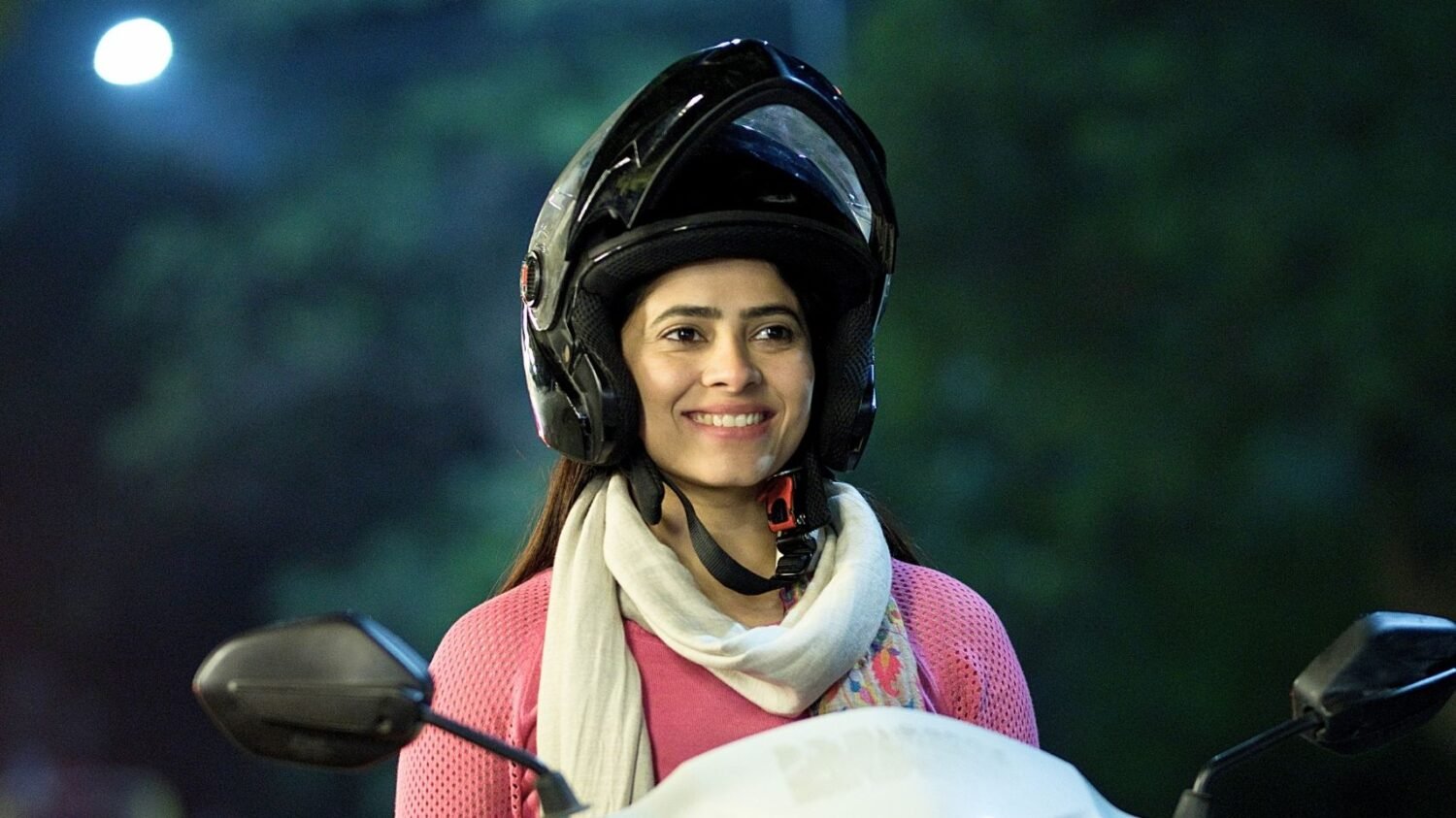
Smart helmets add features such as Bluetooth audio, navigation prompts, intercoms, built-in lights and crash alerts. For women riders who commute daily, hands-free navigation and brake or turn lights can be useful. Keep in mind:
- Certification still comes first. A smart feature does not replace the ISI mark, a proper fit or good coverage.
- Stay aware. Keep audio low enough to hear traffic and horns, especially on quiet electric vehicles.
- Check weight and ventilation. Added electronics can make a helmet heavier and warmer.
- Do not modify the shell. Some makers advise against drilling or sticking add-ons onto the helmet.
- Think about charging. One more device to charge is one more thing to remember.
Custom Paint and Colours: Style Without Risking Safety
Wanting a helmet for women that feels personal is reasonable, and there is a safe way to do it.
- Be careful with paint. Some paints and solvents can weaken a helmet’s shell or inner liner. Choose removable stickers or wraps recommended for helmets, or check with the maker before any custom work.
- Keep the labels visible. Do not cover the ISI mark, the manufacturing date or the reflective strips.
- Choose colours for visibility. White, yellow, orange and other bright colours stand out in traffic and at dusk. Pair a dark helmet with reflective strips.
- Pick two or three colours that fit your week. A neutral for work days, a bolder shade for weekends and one bright visibility option is an easy system. If you do not want to buy several helmets, one well-fitting helmet with a changeable liner cover or strap sleeve gives variety at lower cost.
Care, Replacement and Common Mistakes
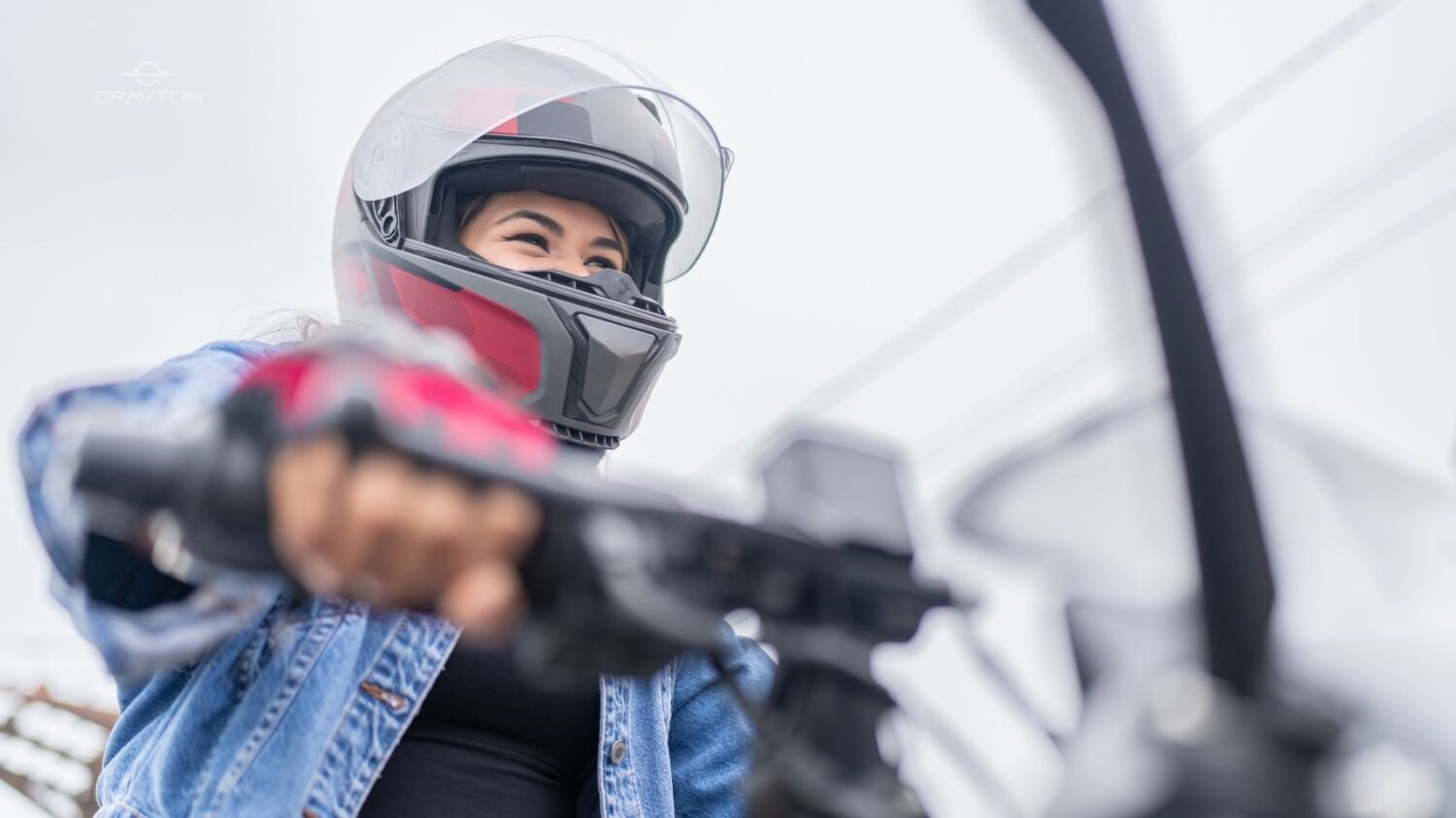
- Replace after any hard impact, even if the helmet looks undamaged.
- Follow the maker’s age guidance, often around five years.
- Do not buy a used helmet. You cannot know its history.
- Store it away from heat and chemicals, and clean it with mild soap and water.
- Never hang a helmet from the mirror, where it can fall and be damaged.
- Do not leave it unfastened while riding. An unfastened strap gives no protection.
Helmet for Women: Quick Checklist
- ISI mark present and details checked.
- Size taken from head measurement, tested with your riding hairstyle.
- Full-face or certified modular helmet chosen for coverage.
- Strap snug, with no roll-off or shake.
- Bright colour or reflective strips for visibility.
- Clear visor, good ventilation and washable padding.
- No uncertified paint, and no covered labels.
Test it on a real ride. A helmet feels different after twenty minutes in traffic. If you can, take a short ride before you commit, wearing the hairstyle and layers you actually use.
Planning Your First Electric Ride?
Book a test ride on an electric motorcycle or scooter and see how it fits your routine, with the right helmet on.
Book a Test RideExplore the QuantaFrequently Asked Questions About a Helmet for Women
Which helmet is best for women riders?
There is no single best helmet. Choose a helmet that carries the ISI mark, fits your head size snugly with your hair as you will wear it, and gives good facial coverage. A full-face or certified modular helmet gives the most protection.
Do electric scooter and motorcycle riders need a different helmet?
No. Helmet safety standards are the same for electric and petrol riders. What changes is the riding environment: electric vehicles are quiet and accelerate smoothly, so good visibility, secure straps and awareness of traffic sound matter.
Should I buy a cheaper helmet for a low-speed electric scooter?
Price is not the measure of safety. Certification and fit are. A certified helmet at a modest price is a better choice than an uncertified one, and falls can injure the head at low speeds. Do not compromise on certification.
Is a helmet legally required on an electric scooter in India?
Helmets are required for riders and pillions on motor vehicles under the Motor Vehicles Act. Rules for the lowest-speed category of electric scooters can differ and may change, so check current rules. Whatever the rule, wearing a certified helmet is the sensible choice.
How do I choose a helmet for women with thick or curly hair?
Choose the size by head circumference, not by the volume of your hair. Tie your hair low in a braid or low bun, try the helmet on with your riding hairstyle, and look for removable, washable padding. A thin breathable liner can reduce friction on curly hair.
Can I wear a scarf, dupatta or hijab under a helmet?
Many riders do. Use a thin, breathable layer, tuck any loose ends away from the wheels and chain, and make sure the helmet still fits snugly and the chin strap is tight and secure. Never add padding to loosen a tight fit.
Are smart helmets worth it for electric riders?
They can help with hands-free navigation, calls and visibility lights. Treat them as an extra, not a safety upgrade. The ISI mark, fit and coverage matter far more, and you should keep volume low enough to hear traffic.
Is it safe to paint a helmet?
Be careful. Some paints and solvents can weaken the helmet's shell or inner liner. Prefer removable stickers or wraps recommended for helmets, keep the certification marks and reflective strips visible, and check with the maker before any custom work.
How often should I replace a helmet?
Replace a helmet after any hard impact, even if it looks fine, and follow the manufacturer's guidance on age, which is often around five years. Do not buy a used helmet, since you cannot know its history.
About this article. Published by Gravton Motors, Hyderabad, an electric two-wheeler manufacturer. This guide is general and brand-neutral. Safety standards and traffic rules change, so confirm current requirements before you buy. Always follow the helmet maker’s instructions.
Website: www.gravton.com | Email: connect@gravtonmotors.com | Phone: 7995252220
Disclaimer: This article is published by Gravton Motors Pvt. Ltd. for general informational purposes only. The insights, opinions, estimates and recommendations shared here are illustrative, may not apply to every rider, helmet or situation, and do not constitute professional, safety, legal or medical advice. While we aim to be accurate, Gravton Motors makes no guarantee of the accuracy, completeness or timeliness of the content and cannot be held responsible for any loss, damage, injury or inconvenience arising from reliance on it. Safety standards and traffic rules change, so always check current requirements, follow the helmet maker's instructions and consult a qualified professional before acting. References to third-party organisations are provided for convenience and do not imply endorsement.